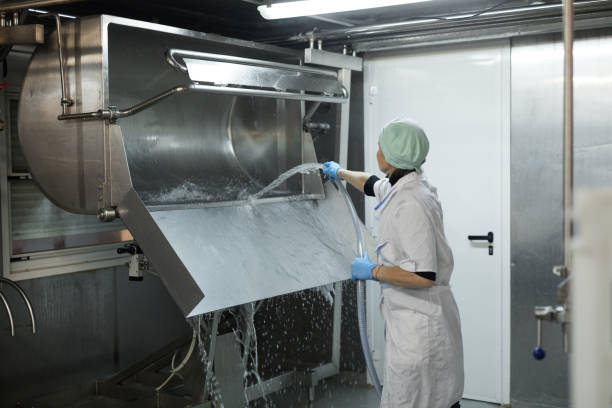
Walk onto any production floor and you can usually tell within a few minutes whether the place takes hygiene seriously. Dust sitting on machine guards, oil residue near walkways, bins overflowing by the loading dock – none of it is dramatic on its own, but together it tells a story about how a business is run. For factory owners and operations managers across New South Wales, cleanliness isn’t a cosmetic issue. It’s tied directly to safety audits, staff wellbeing and how long expensive equipment actually lasts.
The Hidden Cost of a Dirty Factory Floor
Most people picture workplace injuries as the result of a single bad decision or a faulty machine. In reality, a huge share of factory incidents trace back to something far more mundane: slippery floors, poor visibility from grime-covered windows, or blocked emergency exits. Regulators don’t treat these as minor issues either. WorkCover inspections routinely flag housekeeping failures as contributing factors in incident reports, and repeat offenders can face real financial penalties.
There’s also the equipment angle. Dust and airborne particles are notorious for clogging ventilation systems, jamming conveyor mechanisms and shortening the lifespan of motors. A build-up that seems harmless today can turn into a costly breakdown six months down the line, and unplanned downtime on a production line is rarely cheap.
What Makes Industrial Cleaning Different
Cleaning a warehouse or manufacturing plant isn’t the same job as tidying an office. The scale is bigger, the surfaces are tougher, and often there are hazardous materials, chemical residues or food-grade requirements involved. Teams handling this kind of work need proper training on how to deal with oil spills, metal shavings, and high-level dust extraction without disrupting production schedules.
This is exactly why so many operations managers turn to a dedicated factory cleaning Sydney provider rather than relying on general commercial cleaners. Specialist crews understand shift patterns, know how to work around moving machinery safely, and use industrial-grade equipment that a standard mop and bucket simply can’t match.
Building a Cleaning Schedule That Actually Works
A lot of facilities get this wrong by treating cleaning as an afterthought – something that happens whenever there’s a spare hour. The better approach is to build cleaning into the operational calendar the same way you’d schedule maintenance checks.
Daily tasks might include sweeping high-traffic zones, wiping down control panels, and clearing waste from production areas. Weekly tasks could cover deep cleaning of break rooms, restrooms and administrative areas. Then there are monthly or quarterly jobs: degreasing overhead extraction units, pressure washing loading bays, and inspecting storage areas for pest activity. Spreading the workload like this means nothing gets neglected long enough to become a genuine problem.
Staff Health Shouldn’t Be an Afterthought
It’s easy to forget that factory workers spend eight, ten, sometimes twelve hours a day breathing the air in these buildings. Airborne dust, mould in damp corners, and poor sanitation in shared facilities all contribute to higher rates of sick leave. Some studies on workplace absenteeism suggest that improved indoor air quality and hygiene standards can measurably reduce time off, which matters a great deal when you’re already running lean staffing levels.
Break rooms and locker areas deserve particular attention here. These are spaces where workers eat, relax and often let their guard down, and they’re frequently the most neglected part of a facility because they’re out of sight from clients and visitors.
Compliance Without the Headache
Australian workplace health and safety legislation puts the responsibility for a safe working environment squarely on the employer. That includes maintaining clean amenities, controlling dust and contaminant levels, and keeping emergency access points clear. Falling short isn’t just a safety risk – it can mean fines, reputational damage, or even a shutdown order if an inspector deems the site unsafe.
Working with an experienced factory cleaning Sydney team takes a lot of the guesswork out of compliance. Good providers know what inspectors look for and build their routines around those standards, so you’re not scrambling to fix things the week before an audit.
Choosing the Right Cleaning Partner
Not every commercial cleaner is equipped for industrial work, so it pays to ask a few pointed questions before signing a contract. Do they carry the right insurance for working around machinery? Can they provide staff with site-specific safety inductions? Do they use equipment rated for the surfaces and substances found in your facility? A provider that can answer these clearly, and back it up with references from similar sites, is worth far more than one offering the cheapest quote.
It’s also worth discussing flexibility. Production schedules shift, and a cleaning partner needs to be able to work around night shifts, changeovers, or seasonal spikes in output without causing friction.
Seasonal Factors Sydney Facilities Should Plan For
Humidity during Sydney’s summer months brings its own set of headaches for industrial sites, particularly around condensation on cool room exteriors and increased mould risk in poorly ventilated storage areas. Winter, on the other hand, tends to bring more mud and moisture tracked in from car parks and loading areas, which means entrance zones need extra attention during colder, wetter months. A cleaning schedule that adjusts slightly with the seasons, rather than staying static all year round, tends to hold up better against these predictable shifts.
Pest activity is worth planning for too. Factories storing raw materials or packaged goods are natural targets for rodents and insects, especially as temperatures cool and pests look for shelter. Regular, thorough cleaning removes the food sources and nesting opportunities that attract pests in the first place, which is a far more effective long-term strategy than relying on pest control alone to fix a problem after it’s already taken hold.
Final Thoughts
A clean factory isn’t just about appearances for the odd client visit. It’s a foundation for safety, staff morale and the long-term condition of your equipment. Getting it right doesn’t require a huge overhaul – just a proper schedule, the right team, and a willingness to treat hygiene as part of operations rather than an afterthought. Facilities that invest in this consistently tend to see fewer incidents, less downtime, and a workforce that notices the difference.