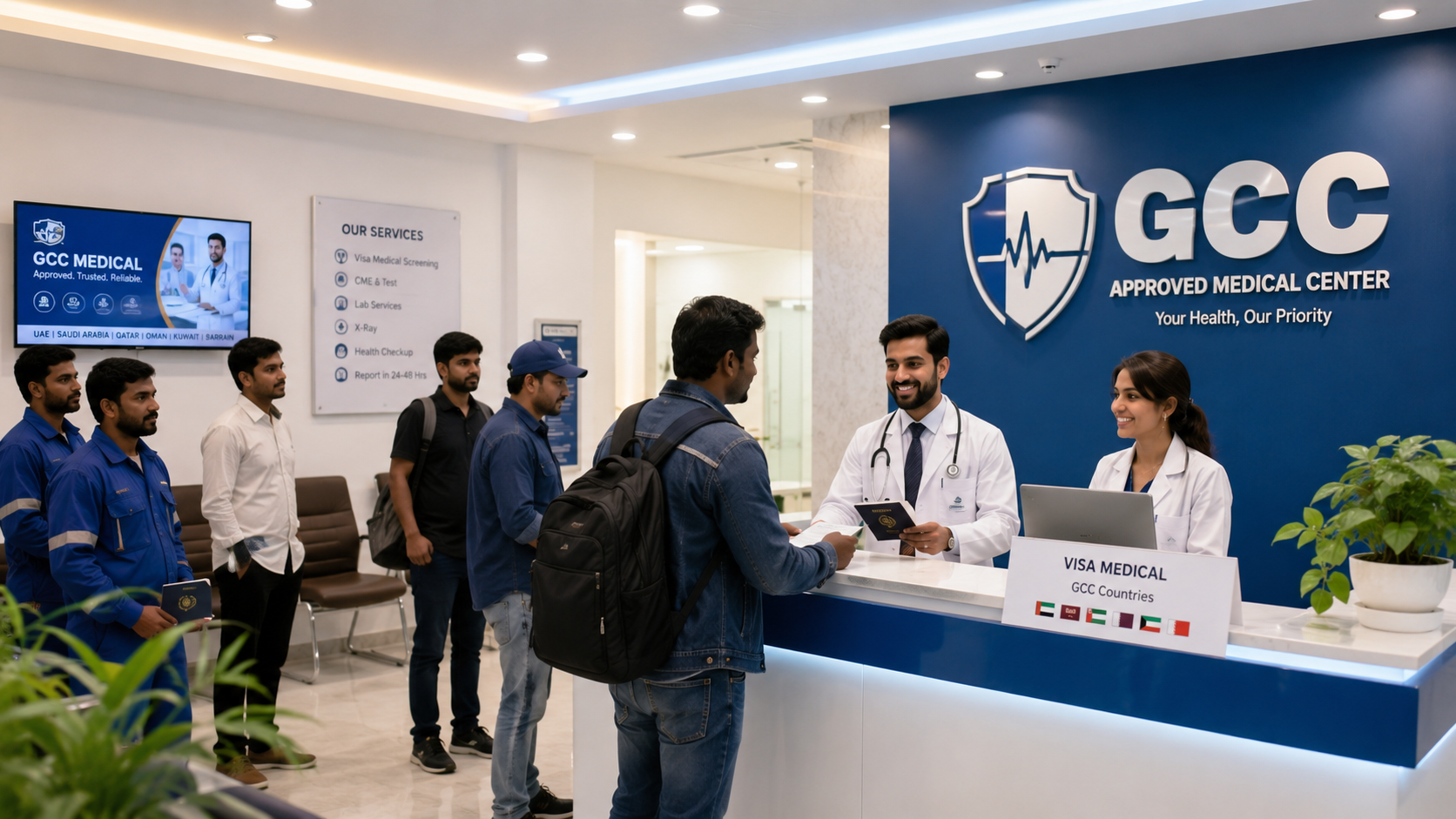
What Does This Process Actually Involve?
If you’ve ever applied for a job in a Gulf country, chances are someone in the process mentioned a specific medical screening requirement and then moved on as if you already knew what it meant. You’re not alone if you didn’t. GAMCA stands for the Gulf Approved Medical Centers Association, a body that oversees medical screening for workers heading to Gulf Cooperation Council countries. In simple terms, it’s the system that makes sure people migrating for work are medically fit before they ever board a flight.
The idea behind it isn’t bureaucracy for its own sake. Gulf nations receive millions of expatriate workers every year, and a standardized health check helps protect both the incoming workforce and the local population from communicable diseases. So while the paperwork can feel tedious, there’s a genuinely practical reason it exists, and once you understand the logic, the whole thing feels a lot less mysterious.
It also helps to know that this isn’t a one-off pilot scheme. It’s a well-established, decades-old framework that most Gulf-bound applicants from certain regions have to pass through, so the process itself is fairly predictable once you know the steps.
Who Actually Needs to Go Through This?
Not everyone applying for a Gulf visa needs to go through the same channel, and this is where a lot of first-time applicants get confused. Workers from certain countries, mostly across South Asia and parts of Africa, are required to complete their medical screening through an approved center before their visa is stamped. If your recruitment agency or employer has told you to get a medical done before travel, it’s almost certainly this specific screening they’re referring to.
The good news is that the network of approved clinics is fairly wide, so you’re unlikely to have to travel far from home to complete it. What matters more is picking a center that’s actually on the current approved list, since an unapproved clinic’s results simply won’t be accepted by the embassy or the employer, no matter how legitimate the clinic otherwise looks.
What Actually Happens at the Clinic
The examination itself is fairly routine and doesn’t take long once you’re in the chair. Expect a chest X-ray, blood tests for things like HIV and Hepatitis, a general physical exam, vision and hearing checks, and sometimes a urine test depending on the destination country’s requirements. Most people are done within an hour or two, though results can take a few days to come back depending on the clinic’s workload at the time.
One thing worth mentioning: don’t try to hide a pre-existing condition or rush through the appointment. If something comes back flagged, it’s far better to know early and address it than to find out after you’ve already resigned from your current job or paid agency fees you can’t easily get back.
Mistakes People Make (So You Don’t Have To)
The most common slip-up is booking at the last minute. Because results and stamping can take several working days, cutting it close to your flight date is a recipe for unnecessary stress. Another frequent issue is bringing incomplete documentation — passport copies, photos, and offer letters are usually required, and clinics won’t proceed without the full set on hand.
A smaller but still annoying mistake is not double-checking which clinic is actually authorized in your city. Approved center lists do change from time to time, so it pays to confirm directly rather than relying on word of mouth from a friend who went through the process two years ago.
How Long Should You Budget For It?
From the day you walk in for your appointment to the day your fitness certificate is finalized, most people are looking at anywhere between three and seven working days. Some countries and some clinics move faster, but building in a week of buffer before you need to submit visa paperwork is a genuinely sensible habit, especially if you’re also waiting on other documents to be attested or stamped.
It’s also worth remembering that fitness certificates usually come with an expiry window, often around three months. That means starting too early, before your other paperwork is ready, can backfire just as easily as starting too late.
Practical Tips for a Smoother Experience
Keep digital and printed copies of every document you submit, including your passport photo page and offer letter. If a clinic ever misplaces a form or asks you to confirm something over the phone, having a backup ready saves you an extra trip. It’s also worth noting down the exact address and floor number of your chosen clinic beforehand, since some buildings house multiple medical centers under similar names.
If you’re traveling with colleagues or friends applying for the same job, consider booking your slots on the same day. Clinics often process group bookings from the same company more efficiently, and it means you can compare notes and support each other through what can otherwise feel like a solitary bit of admin.
Frequently Asked Questions
Is the test painful or invasive? Not really — it’s a standard blood draw, a chest X-ray, and a basic physical exam, similar to what you’d experience during any routine check-up.
Can I choose any clinic I like? Only if it’s on the officially approved list for your destination country. Using an unapproved clinic means starting over at a valid one.
What if I need to travel again later for a different country? Certificates are generally tied to a specific destination, so a fresh screening is usually required if your visa target changes.
Wrapping It Up
This whole system isn’t something to dread, it’s just one more checkbox on the road to your new job abroad. Once you understand what it involves and pick a properly licensed clinic, it becomes a fairly painless part of the visa journey. If you’d like help finding an approved center or booking your slot without the back-and-forth, GAMCA offers a straightforward way to get it sorted so you can focus on the more exciting parts of your move.
Take it one step at a time: confirm your clinic, gather your documents, book early, and treat the appointment itself as routine. Thousands of workers go through GAMCA screening every month, and for the vast majority, it’s a quick, forgettable formality rather than the ordeal it sometimes gets built up to be in group chats and forums.