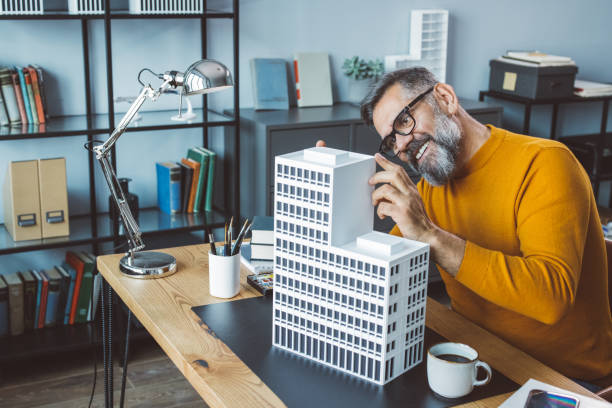
Walk into any boardroom where a big real estate deal or an industrial project is being decided, and you will notice something interesting. Long after the 3D renders have been shown and the drone footage has played, it is usually the physical model on the table that people gather around. They touch it, walk around it, point at corners of it while they talk. There is something about holding a miniature version of an idea in your hands that a screen simply cannot replace, and that is exactly why demand for a good scale model making company india has not slowed down even as software has gotten better and better.
Renders Are Great, But They Don’t Replace Touch
Digital visualisation has come a long way. Renders can look almost photographic, walkthroughs can simulate lighting at different times of day, and VR headsets can drop a client right into a virtual lobby. But none of these fully solve the problem of scale. A client looking at a screen is trusting the software to tell them how big a space feels. A client looking at a physical model built to an accurate scale is judging it with their own eyes and their own sense of proportion, which is something humans are naturally good at.
This is one reason many architecture firms, real estate developers and even government bodies in India still budget for physical models alongside their digital packages. The two aren’t competitors, they work together, with the render selling the mood and the model selling the reality.
What a Good Model Making Team Actually Delivers
A capable team doesn’t just glue together some foam board and call it a day. The process usually starts with the same drawings an architect or engineer would hand to a construction crew, then moves through material selection, scale calculation, laser cutting, hand finishing, lighting integration if needed, and landscaping details like trees, water bodies or vehicles depending on the project.
Good craftsmanship shows in the small things: whether the window mullions look proportionate, whether the greenery looks natural instead of like plastic toys, whether the base is finished cleanly enough to sit in a client’s reception area without looking out of place. This is the level of detail that separates a hobbyist workshop from a serious professional studio.
Industries That Still Rely on Physical Models
It isn’t only architecture. Product design teams use scaled prototypes to test ergonomics before committing to expensive tooling. Automobile and machinery manufacturers use models for trade shows where a full-size unit simply isn’t practical to transport. Urban planners use large-scale township or infrastructure models when presenting to municipal committees who need to visualise how a new project fits into an existing neighbourhood. Even film and exhibition designers commission models for set pieces and museum displays.
Because the applications are so varied, the studios that do this work well tend to be flexible across materials — acrylic, wood, resin, 3D-printed components, foam board — rather than specialists in just one technique.
Choosing the Right Partner
If you’re evaluating options, it helps to look past the portfolio photos for a moment and ask about process. How do they handle revisions if the design changes midway? What is the typical turnaround for a mid-size model? Do they have experience with your specific industry, whether that’s residential towers, factories, or exhibition stands? A studio that asks you thoughtful questions about your project before quoting a price is usually one that takes the craft seriously.
Turnaround time matters too. Physical models are often needed for a specific pitch date or exhibition, and there is no flexibility on that deadline the way there sometimes is with digital deliverables. A team with an established workshop and enough hands on deck will be honest about what’s achievable in your timeframe rather than overpromising.
The Bigger Picture
As competition for major projects and investor attention has intensified across Indian cities, the presentation stage of a pitch has become almost as important as the underlying idea. A well-built model signals seriousness, attention to detail and confidence in the design, qualities that are hard to communicate through a slideshow alone. That’s the quiet advantage a strong studio brings to the table, and it’s why this craft, despite all the software around it, hasn’t gone anywhere.
What Sets Established Studios Apart From Newer Ones
Experience shows in ways that are easy to overlook until you’ve worked with a few different vendors. An established scale model making company india tends to have standard processes already worked out for common problems, like how to keep acrylic from yellowing under gallery lights, or how to pack a delicate rooftop garden so it survives a bumpy road trip to a site office two states away. These are the kinds of lessons that only come from having made mistakes on past projects and having built in fixes since.
Newer studios can absolutely produce good work, and many do, but they’re more likely to be learning some of these lessons on your project rather than the last one. That doesn’t mean you should avoid them entirely, especially if their pricing is more accessible, but it does mean building in a bit more review time and asking more specific questions about how they’ll handle the trickier parts of your particular brief, whether that’s a curved facade, a large water body, or a tight deadline around a launch event.
Budgeting Realistically for Quality Work
One of the more common mistakes first-time clients make is comparing quotes purely on price without factoring in what’s actually included. A lower quote might exclude landscaping, lighting, or a protective display case, all of which add up quickly once you realise you need them for the actual presentation. Ask for an itemised breakdown from any studio you’re considering so you’re comparing like for like, rather than being surprised by add-on costs after the project has already started.
It’s also worth remembering that a model built for a one-time internal review doesn’t need the same budget as one that will sit in a public sales gallery for two years. Being upfront about how long the piece needs to last and how much handling it will see helps a good studio recommend the right build quality for your actual budget, rather than either overspending or ending up with something too fragile for its intended use.
Conclusion
Physical models aren’t a relic of an older era of design presentations, they’re a complement to everything digital tools do well. If your next pitch, exhibition or internal review needs that tangible, walk-around-it quality that renders can’t quite match, partnering with an experienced scale model making company india is worth the investment, and the difference in confidence it brings to a room full of decision-makers is hard to put a price on.